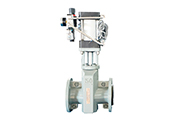
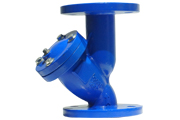
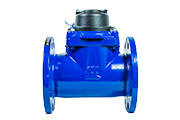
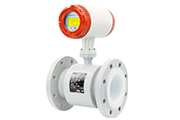
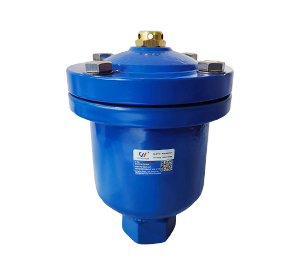
Pressure control valves — commonly abbreviated as PCV valves — are essential components in many water, HVAC, and industrial piping systems. They regulate downstream pressure, protect equipment from overpressure, and keep process conditions stable. For engineers and procurement teams, choosing the right PCV valve (whether pilot-operated or direct-acting) means fewer leaks, lower maintenance cost and safer plant operation.
This guide explains what a PCV valve is, how it works, the primary types, when to use each type, and key selection and installation tips to ensure your pipeline performs reliably.
A PCV (Pressure Control Valve) is a valve designed to maintain a target downstream pressure (or sometimes upstream) regardless of fluctuations in flow or inlet pressure. PCV valves come in multiple forms:
Direct-acting pressure reducing valves (PRV): Simple mechanical valves where the sensing element directly changes the valve position. Suitable for low-flow or small-diameter lines.
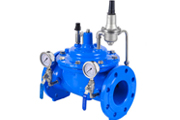
Pilot-operated pressure control valves (pilot PCVs): Use a pilot regulator to control a main valve. They handle larger flows, higher pressures, and provide more stable control with smaller main valve motion.
Relief/pressure safety valves (not PCVs): Designed to protect system from overpressure by discharging fluid; different from pressure-regulating PCVs.

PCV valves maintain a set pressure using feedback from a sensing line:
💡 The valve senses downstream pressure via a pilot or sensing port.
💡 If downstream pressure rises above the set point, the pilot causes the main valve to throttle closed, reducing flow and pressure.
💡 When pressure drops below the set point, the pilot opens the main valve to allow more flow.
💡 Pilot-operated PCVs separate the sensing/control function from the main throttling element, enabling precise regulation for large systems.
Direct-acting Pressure Reducing Valve (PRV): Compact, self-contained. Best for domestic water lines and small industrial loops.
Pilot-operated PCV: Best for mains, large process lines or where stable downstream pressure is critical.
Balanced vs. Unbalanced PCV: Balanced designs minimize effect of inlet pressure changes; useful in fluctuating inlet conditions.
Pressure sustaining valves (back-pressure control): Maintain minimum upstream pressure, often used to protect pumps and processes.
Municipal water distribution: Maintain stable service pressure and prevent bursts.
Boiler feed & steam systems: Regulate steam pressure to downstream equipment.
Process plants & chemical industry: Maintain reaction or process vessel pressures.
Irrigation & agriculture: Keep consistent downstream pressure across multiple outlets.
HVAC systems: Stabilize chilled or heating water pressure for optimal pump operation.
Before ordering a PCV valve, gather these critical parameters:
💡 Design & operating pressure (inlet & desired outlet)
💡 Flow range (min & max flow) — valve must control across expected flow spectrum
💡 Medium (water, steam, oil, gas, chemicals) — influences material and pilot design
💡 Temperature range — affects seal materials and metal choice
💡 Pipe size and connection type — flange, threaded, weld ends
💡 Required accuracy & control stability — pilot-operated valves for high stability
💡 Required standards & certifications — e.g., ISO, API, NSF for potable water
👉 Tip: For high-flow mains and plants with variable inlet pressure, a pilot-operated, balanced PCV is typically recommended.

Follow these recommendations to ensure reliable PCV performance:
🔹 Install a strainer upstream to prevent debris from blocking pilot or valve internals.
🔹 Provide upstream and downstream isolation valves for maintenance and testing.
🔹 Keep sensing lines short and free of pockets; avoid routing that traps air or condensate.
🔹 Follow manufacturer torque & bolt patterns for flanged connections to prevent distortion.
🔹 Commissioning: Ramp pressure slowly; verify set points and response to flow changes.
🔹 Routine maintenance: Inspect pilot orifices, diaphragms, and seals annually, or more frequently in harsh conditions.
🔹 Hunting (unstable pressure): Check pilot orifice blockage, inadequate damping, or insufficient valve sizing. Pilot tuning or adding a relief/damping port often solves hunting.
🔹 Valve does not reduce pressure: Could be stuck main valve, clogged sensing line, or wrong pilot setting. Inspect pilot and clean strainers.
🔹 Leakage past valve: Worn seat or damaged disc; verify seat, replace seals or main valve cartridge.
🔹 Slow response: Check for air pockets in sensing lines or partially clogged pilot.
PCV / PRV (pressure reducing): Maintain a set downstream pressure.
Relief / Safety Valve: Open to discharge when pressure exceeds a safety threshold (not for regulation).
Pilot-operated PRV: Better stability and flow capacity than direct-acting PRV.

At WEIZIDOM, we manufacture and supply a wide range of pressure control valves suited for water, steam, and industrial applications.
Our advantages:
👉 Factory-direct pricing and customizable options (materials, pilots, connections)
👉 Proven performance across 108+ export markets and 3000+ projects
👉 Engineering support for valve sizing, pilot tuning and commissioning
Need help selecting the correct PCV valve for your system? Send project parameters (flow, inlet/outlet pressures, temperature, medium, pipe size) and our engineers will recommend the optimal solution.
📩 Email: eileen@wsdsolution.com
🌐 Website: www.wsdvalves.com
Q: What is the difference between a PCV and a relief valve?
A: PCV regulates downstream pressure; relief valve opens to discharge when pressure exceeds a safety threshold.
Q: Are pilot-operated PCVs better than direct-acting PRVs?
A: Pilot PCVs generally offer higher flow capacity and more stable control for larger or variable systems.