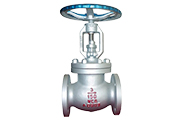
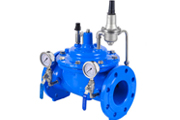
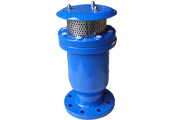
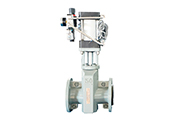
Valves are the “heart valves” of piping systems—essential components that ensure fluid media (liquids, gases, powders) flow in the right direction, at the right time, and at the correct flow rate and pressure. Among the most versatile and widely used valve types is the globe valve, favored for its superior throttling and flow regulation capabilities.
Globe valves perform multiple critical functions—shutting off and isolating, precisely regulating flow, and maintaining system pressure—serving as the cornerstone for stable, safe, and efficient production processes across industries from power generation and chemical processing to HVAC, oil and gas, and water treatment.
However, under long-term and complex operating conditions, globe valves inevitably develop problems. Even a minor fault can trigger serious consequences:
Unexpected production interruptions causing direct economic losses
Major safety incidents threatening personnel safety
Energy waste and degraded product quality
Loss of process control leading to off-spec products
Mastering scientific diagnostic methods and effective corrective measures holds significant practical importance for equipment managers and front-line operators.
This comprehensive guide focuses on the most common globe valve problems—internal leakage, external leakage, and stiff operation—providing in-depth analysis of root causes and practical solutions to keep your systems running reliably.

Three most common globe valve failure modes with detailed root cause analysis
Practical, step-by-step solutions for internal leakage, external leakage, and stiff operation
Preventive maintenance strategies to extend service life
Material selection and operational guidance to prevent premature failure
Installation and protection best practices for long-term reliability
After the valve is closed, media continues to leak through the sealing interface, affecting system pressure and flow control. This is one of the most critical failure modes for globe valves.
Diagnostic Methods:
| Method | What to Observe |
| Pressure Gauge Monitoring | Look for pressure rise downstream of a closed valve |
| Temperature Measurement | A temperature change downstream indicates flow past the valve |
| Listening | Listen for the sound of flowing media through a supposedly closed valve |
| Visual Inspection (Flanged Joints) | Check for wet spots or discoloration at the body-bonnet joint |
Sealing Surface Damage: Over time, the sealing surfaces between the disc and seat become worn, scored, or corroded due to constant impact, high-velocity flow, or chemical attack. This is the primary cause of internal leakage.
Debris Obstruction: Weld slag, rust scales, and other foreign materials become trapped between the sealing surfaces, preventing a tight shut-off.
Disc and Stem Connection Loose: The connection between the disc and stem can loosen over time, preventing the disc from seating properly.
Stem Bending: A bent stem prevents the disc from making uniform contact with the seat, creating a leak path.
Foreign Object Damage: Hard particles or foreign objects passing through the valve can score or dent the sealing surfaces.
| Step | Action | Details |
| 1 | Debris Removal | Depressurize the line, disassemble the valve, and thoroughly clean the sealing surfaces and internal cavity. |
| 2 | Lapping & Grinding | Minor sealing surface damage can be repaired by lapping (grinding) the disc and seat together using abrasive compounds. |
| 3 | Replacement of Components | If sealing surfaces are severely damaged, replace the disc and/or seat with parts matching original specifications. |
| 4 | Connection Repairs | Tighten or replace the disc-stem connection mechanism. If the stem is bent, straighten or replace it. |
| 5 | Material Upgrade Consideration | For abrasive services, consider upgrading to a valve with hardened or Stellite-faced seating surfaces. |

Select the Right Valve for the Service:
For media containing particles or abrasives (e.g., slurries, ash-laden fluids), always select a globe valve with a rational flow path design and harder seating materials (e.g., hardened stainless steel, Stellite overlay) to resist erosion.
For high-differential-pressure applications, consider a pressure-balanced or multi-stage globe valve design to reduce erosion on seating surfaces.
Avoid Long-Term Throttling at Small Openings:
Operating a globe valve continuously at a small opening (10-30%) is one of the most common causes of premature seat wear. High-velocity flow through the narrow gap between the disc and seat creates severe erosion and accelerated wear.
Rule of Thumb: If a valve is normally operated at less than 30% open, it is likely oversized. Re-evaluate the valve size or consider a valve with a different flow characteristic (e.g., equal percentage) to allow operation at a higher opening.
Media escapes through non-sealing channels—typically from the stem packing gland or flange connections—causing waste, environmental pollution, and potential safety hazards.
Root Cause Analysis
Packing Gland Leakage:
The packing material (typically PTFE, graphite, or aramid fibers) ages, hardens, or wears out due to thermal cycling, chemical attack, or stem surface wear.
The packing gland bolts may have loosened over time.
The stem surface itself may be corroded or worn, creating a path for leakage.
Flange Connection Leakage:
Flange bolts are unevenly torqued.
The gasket is aged, deteriorated, or crushed.
The flange faces are damaged or corroded.
| Problem Area | Corrective Action |
| Packing Leakage | Step 1: Evenly tighten the packing gland bolts to the manufacturer’s specified torque. Step 2: If tightening does not resolve leakage, replace the packing during the next scheduled shutdown. Use high-quality PTFE or graphite packing rings. |
| Flange Leakage | Evenly retighten all connection bolts in a star/cross pattern to ensure uniform gasket compression. If leakage persists, replace the gasket with a compatible material during shutdown. Inspect flange faces for damage or corrosion. |
| Stem Corrosion | Inspect the stem surface. Minor pitting can be polished smooth; severe corrosion requires replacement of the stem and packing. |
The handwheel is heavy and difficult to turn, the stem does not move smoothly, and the valve is hard to open or close. This condition tends to worsen over time and with environmental exposure.
Stem Corrosion: Exposure to outdoor, humid, or highly corrosive industrial environments causes rust and corrosion on the stem surface and stem threads. This is a particularly common problem in chemical plants and outdoor installations.
Packing Over-Tightened: The packing gland is compressed too tightly, creating excessive friction on the stem. This is often an attempt to stop external packing leakage.
Thread Damage or Galling: The stem and stem nut threads may be damaged due to wear, corrosion, or lack of lubrication.
Lack of Lubrication: Over time, the lubricant on the stem threads dries out or is washed away, resulting in increased friction.
Stem Bending: A bent stem not only causes internal leakage but also creates significant operating resistance.
| Step | Action | Details |
| 1 | Clean and Lubricate | Thoroughly clean the stem threads and stem nut of dirt and corrosion, then apply a high-quality, anti-seize lubricant specifically designed for valve stems. |
| 2 | Adjust the Packing Gland | Slightly loosen the packing gland nuts to balance sealing performance with operating flexibility. |
| 3 | Inspect Threads | Check the stem and nut threads for wear or damage. |
| 4 | Component Replacement | If threads are badly damaged, repair or replace the stem and/or stem nut. |
For outdoor or humid environments:
Always install a protective weather shield or boot over the valve stem to prevent rain and moisture from reaching the stem and threads.
Establish a regular maintenance schedule to apply anti-rust grease or oil to the stem and exposed threads.
For critical valves in harsh environments, consider using stainless steel or corrosion-resistant coated stems.
Prevention is more effective than repair — a few minutes of preventive maintenance can save hours of downtime later.
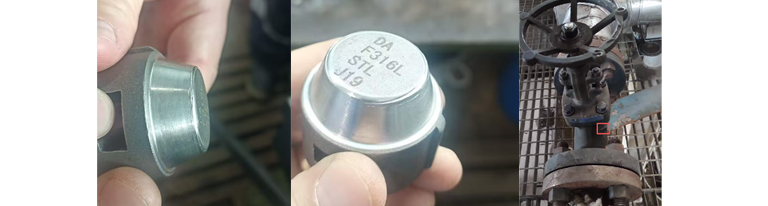
A well-structured preventive maintenance program is the most effective way to extend globe valve service life and prevent unexpected failures.
| Inspection Area | What to Check | Action |
| External Condition | Look for signs of corrosion, physical damage, or leaks at flanges and packing gland | Document and repair immediately if found |
| Leakage | Check for visible leakage at packing gland, flange joints, and body seals | Investigate root cause and take corrective action |
| Operation Smoothness | Manually operate the valve through a full open-close cycle; check for smooth, uniform motion | Investigate any sticking, resistance, or unusual sounds |
| Stem Condition | Inspect exposed stem surface for rust, pitting, or wear | Clean and lubricate; replace if severely corroded |
| Position Indication | Verify that the valve position indicator matches actual stem position | Calibrate or repair if necessary |
Based on valve type, operating conditions, and manufacturer recommendations:
Regular Lubrication: Lubricate stem threads and stem nuts at specified intervals (typically every 3-6 months for active valves).
Periodic Disassembly Inspection: For critical valves, schedule internal inspections to check disc, seat, and stem condition.
Verify Operating Parameters: Regularly check and record operating torque, stroke time, and seating pressure to identify trends.
Maintain a strategic inventory of critical consumable parts to minimize downtime during emergencies:
| Spare Part | Recommended Stock Quantity |
| Disc (complete assembly) | 2 sets per valve size |
| Seat/seal rings | 2 sets per valve size |
| Packing sets | 3-5 sets per valve size |
| Gaskets | 2-3 sets per valve size |
| Stem (for critical valves) | 1 set per valve size |
Invest in comprehensive training for equipment managers and operators covering:
Globe Valve Operating Principles: How globe valves function and their role in the system.
Correct Operation Procedures: Proper opening/closing techniques; avoiding excessive force; never using the valve as a stop at small openings for extended periods.
Fault Recognition: How to identify early warning signs of trouble.
Emergency Response: What to do in case of a major leak or valve failure.
Well-trained personnel are your first line of defense against unplanned downtime and safety incidents.
| Problem | Primary Causes | Solutions |
| Internal Leakage | Seal wear, debris obstruction, loose disc connection, bent stem | Lap/replace seals; clean debris; tighten connection; straighten/replace stem |
| External Leakage | Packing failure, loose flange bolts, gasket deterioration | Retorque packing; replace packing; retorque bolts; replace gasket |
| Stiff Operation | Stem corrosion, packing too tight, thread damage, lack of lubrication | Clean and lubricate; adjust packing; repair/replace stem/nut; regular maintenance |
Globe valves are the precision instruments of flow control—but they require proper attention. By understanding the root causes of internal leakage, external leakage, and stiff operation, you can implement effective troubleshooting and preventive maintenance strategies that:
Reduce unplanned downtime through proactive care
Prevent catastrophic failures by identifying issues early
Lower maintenance costs by extending service intervals
Improve process control by maintaining tight shut-off and smooth operation
Enhance system safety by eliminating fugitive emissions and process fluid hazards
Remember:
Correct selection is key — Choose the right valve material and design for your specific service conditions.
Avoid throttling at small openings — This is the leading cause of premature seat wear.
Protect stems in harsh environments — Use weather shields and regular lubrication.
Install upstream strainers — To protect against debris damage.
Regular inspection, proper lubrication, careful actuator calibration, and systematic spare parts management are essential for ensuring decades of reliable service.
For expert assistance in selecting the right globe valve, replacement parts, or developing a comprehensive maintenance program for your specific application, consult your valve supplier or a qualified maintenance professional.

| Application | Recommended Globe Valve Type | Key Selection Factor |
| Water, Steam, Oil (Clean) | Standard Z-type or Y-type globe valve (WCB/Stainless Steel) | Standard trim materials adequate |
| Chemical Processing (Corrosive) | Stainless steel or PTFE-lined globe valve | Chemical resistance of body and trim |
| High Temperature (>400°C) | Forged steel globe valve with hard-faced trim | High-temperature materials and seat design |
| Abrasive Service (Slurry, Ash) | Y-type globe valve with hardened seat and disc | Erosion-resistant materials and streamlined flow path |
| Cryogenic (< -100°C) | Extended bonnet globe valve with stainless steel trim | Low-temperature material suitability |
| Frequent Cycling | Globe valve with pilot-operated or pressure-balanced design | Reduced operating torque and extended seat life |
Proper installation is the first step toward reliable globe valve performance. Follow these best practices:
| Best Practice | Why It Matters |
| Confirm flow direction | Globe valves are directional; the flow arrow must match actual flow |
| Provide upstream straight pipe | Allows flow to stabilize before entering the valve—improves control and reduces erosion |
| Install with stem vertical | Easiest for maintenance and packing replacement; reduces side load on stem |
| Use proper torque for flange bolts | Uneven torque causes gasket failure and body distortion |
| Install a bypass for high-pressure drop | Reduces pressure differential across the valve during startup/shutdown—protects seat |
| Install upstream strainer for dirty service | Prevents debris from damaging seating surfaces |
| Do not over-tighten packing | Over-tight packing causes stem galling and stiff operation; adjust to manufacturer’s torque spec |
By combining proper installation, regular maintenance, and prompt troubleshooting, you can maximize the service life and reliability of your globe valves—keeping your piping system running safely and efficiently for decades.