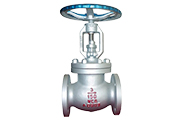
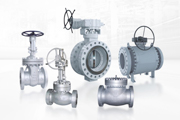
👉 Should I choose a metal seated gate valve or a resilient seated gate valve?
Both options serve the same purpose — controlling the flow of liquids — but their design, performance, applications, and cost-effectiveness differ significantly.
This article provides a comprehensive comparison of metal seated vs resilient seated gate valves, helping you understand their differences, advantages, disadvantages, and the best scenarios for each. By the end, you’ll have a clear picture of which valve suits your project.

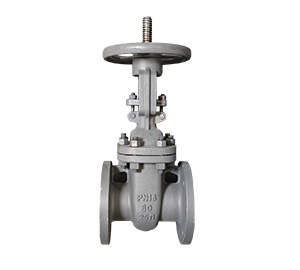
A metal seated gate valve uses a metal-to-metal contact between the disc and the seat to achieve shut-off.
✅ High durability under harsh operating conditions
✅ Resistant to high pressure and high temperature
✅ Long service life in abrasive and corrosive environments
✅ Traditional design, often used in older or heavy-duty systems
✅ Power plants (steam lines)
✅ Oil and gas pipelines
✅ Industrial plants with high temperature media
✅ Mining and slurry pipelines
👉 Metal seated gate valves are built for extreme conditions, where rubber or elastomer seals would wear out quickly.

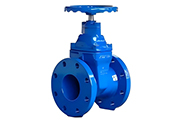
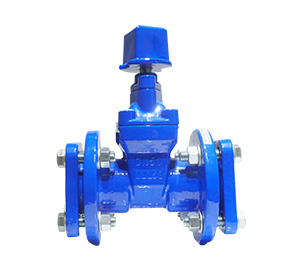
A resilient seated gate valve (also called a soft-seated gate valve) uses a rubber or elastomer coating on the gate to provide tight shut-off.
Zero leakage sealing thanks to flexible rubber contact
Lightweight and cost-effective compared to metal seated valves
Corrosion resistance, especially for drinking water applications
Easier operation, requires less torque to open/close
✅ Municipal drinking water systems
✅ Wastewater treatment plants
✅ Irrigation and agricultural pipelines
✅ Fire protection systems
👉 Resilient seated gate valves are widely used in clean water and low-pressure applications where reliability and tight sealing are crucial.

| Feature | Metal Seated Gate Valve | Resilient Seated Gate Valve |
| Sealing | Metal-to-metal, may allow minor leakage | Rubber/elastomer seat, bubble-tight sealing |
| Durability | High durability, withstands harsh conditions | Good for clean fluids, less durable in slurry |
| Pressure & Temperature | Suitable for high pressure/high temperature | Limited to low/medium pressure, ambient temps |
| Maintenance | Requires periodic maintenance | Easier to maintain, fewer moving parts |
| Cost | Higher cost due to material and machining | Lower cost, economical for water distribution |
| Applications | Oil, gas, steam, slurry, mining | Drinking water, irrigation, wastewater treatment |
✅ Withstand extreme temperatures and pressures
✅ Longer service life in abrasive and corrosive media
✅ Preferred for industrial, oil & gas, and mining sectors
✅ Strong mechanical strength and reliability
✅ Leak-free performance, ideal for water systems
✅ Lower weight and easier installation
✅ Cost-effective solution for municipal projects
✅ Corrosion-resistant due to rubber sealing
When comparing costs, it is essential to look beyond the purchase price.
✨ Metal Seated Gate Valve: Higher upfront cost, but economical for heavy-duty, long-term use.
✨ Resilient Seated Gate Valve: Lower upfront cost, perfect for municipal water supply and distribution, but less suitable for extreme environments.
👉 The right choice depends on total lifecycle cost, including maintenance, replacement frequency, and downtime.

Clean water, wastewater, irrigation → Resilient seated gate valve
High temperature, steam, slurry, oil & gas → Metal seated gate valve
High-pressure pipelines (>16 bar) → Metal seated
Low/medium pressure systems (<16 bar) → Resilient seated
Zero leakage required → Resilient seated
Minor leakage acceptable under harsh conditions → Metal seated
Short-term, cost-sensitive projects → Resilient seated
Long-term, heavy-duty industrial systems → Metal seated
✅ Municipal Water Supply: Resilient seated gate valves ensure leak-free and hygienic water flow.
✅ Power Generation Plants: Metal seated valves handle superheated steam and high-pressure systems.
✅ Mining and Slurry Transport: Metal seated valves are more durable against abrasive media.
✅ Firefighting Systems: Resilient seated valves provide reliable, quick shut-off for safety.

Both metal seated and resilient seated gate valves have unique advantages. The decision should be based on:
Type of medium (clean water vs slurry)
Operating pressure and temperature
Sealing requirements
Project budget and lifecycle cost
Contact us today at eileen@wsdsolution.com for technical support, free catalogs, and competitive quotations.