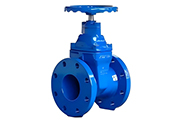
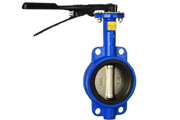
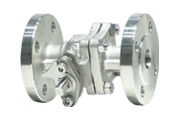
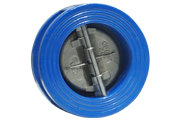
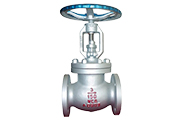
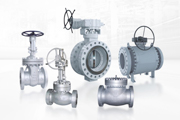
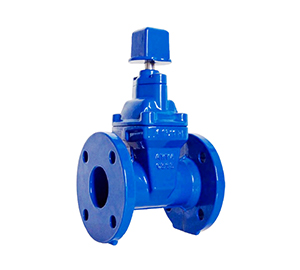
Ball valves are among the most versatile and widely used valve types in industrial fluid control. Their quarter-turn operation, bubble-tight shut-off, and durability make them indispensable across industries—from oil and gas pipelines and chemical processing to mining slurries, HVAC systems, and corrosive media handling.
However, with so many variations—Forged Steel, Fully Welded, API, Stainless Steel, Fluorine-Lined, Ceramic-Lined, and Brass—selecting the right ball valve for your specific application can be challenging. This comprehensive guide compares all major ball valve types, covering their construction, materials, pressure ratings, applications, and key selection criteria to help engineers and procurement professionals make informed decisions.
A ball valve is a quarter-turn valve that uses a spherical ball with a cylindrical bore to control flow. When the ball’s bore aligns with the pipeline, fluid flows through; when rotated 90°, the solid surface blocks the flow path.
| Advantage | Description |
| Quarter-turn operation | 90° rotation from open to close — fast, simple, and easy to automate |
| Bubble-tight shut-off | Resilient or metal seats provide zero-leakage sealing |
| Low pressure drop | Full-bore designs offer minimal flow resistance |
| Durability | Simple construction with few wear parts |
| Versatility | Available in numerous materials for diverse applications |
| Bi-directional | Most designs seal against pressure from either direction |
Before selecting any ball valve, define:
Media: What fluid or powder is being handled? (Water, oil, gas, acid, slurry, powder)
Temperature: Operating and peak temperatures
Pressure: Maximum operating pressure (Class 150 to Class 2500)
Diameter: Required pipe size (DN15 to DN1400)
End Connections: Flanged, butt-weld, socket-weld, or threaded
Actuation: Manual, pneumatic, electric, or hydraulic
Ball Valve Types — Comprehensive Comparison
| Parameter | Detail |
| Design Standards | API 6D, API 608 |
| Diameter Range | NPS ½” – 2″ (DN15 – DN50) |
| Pressure Range | Class 150 – Class 2500 (PN16 – PN420) |
| Materials | A105, LF2, F5, F9, F11, F22, F304, F316 |
| Media | Water, steam, oil, H₂S/CO₂-containing corrosive media |
| Applications | Long-distance pipelines, wellhead extraction, refining, chemical systems, urban gas |
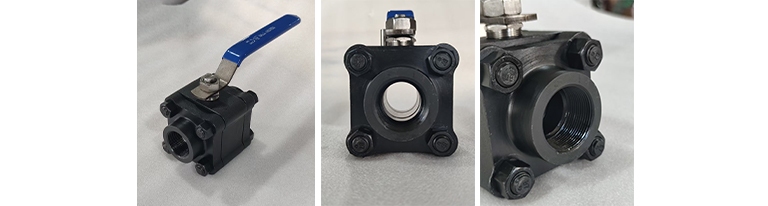
Key Features:
Forged construction eliminates porosity and voids — superior strength for high-pressure service
Compact size — smaller and lighter than cast ball valves for same pressure class
NACE compliance available for sour service (H₂S/CO₂)
Exceptional pressure capability up to Class 2500
Best For: High-pressure, high-temperature, and sour service in small diameters.
| Parameter | Detail |
| Design Standards | API 6D, ASME B16.34 |
| Diameter Range | DN15 – DN1400 (½” – 56″) |
| Pressure Range | Class 150 – Class 2500 (PN16 – PN420) |
| Materials | A105, LF2, 16MnD, 304, 316, F51 (Duplex) |
| Media | Natural gas, oil, water, steam |
| Temperature Range | -60°C to +230°C |
| Applications | City gas, city heating, energy pipelines, coal chemical |
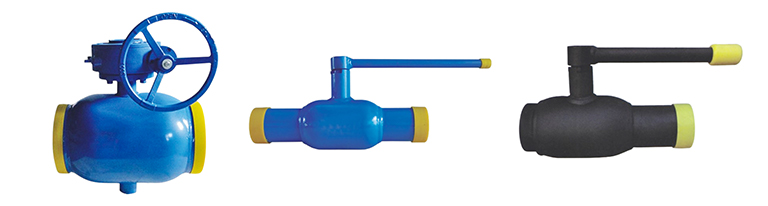
Key Features:
Fully welded, leak-proof body — no bolted bonnet or flange joints eliminating all atmospheric leak paths
Full bore design — permits pigging, creates no pressure drop
Maintenance-free — sealed construction for buried/underground installation
Extended stem options for surface operation without excavation
Best For: Buried pipelines, city gas distribution, district heating, and critical infrastructure where zero leakage to atmosphere is mandatory.
| Parameter | Detail |
| Design Standards | GB/T12237, API 6D |
| Diameter Range | DN15 – DN1400 |
| Pressure Range | Class 150 – Class 2500 |
| Materials | A105, LF2, F304, F316, F51, WCB, LCB, CF8, CF8M |
| Media | Natural gas, LPG, oil, hydrocarbons |
| Applications | Petroleum, chemical, hydropower, gas and liquid pipelines |
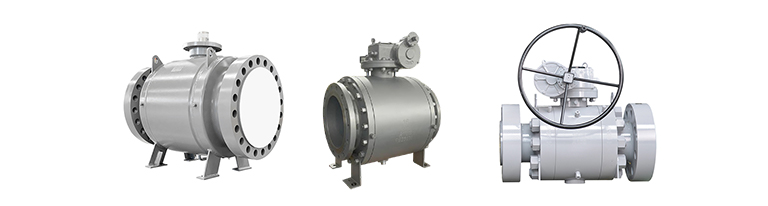
Key Features:
API 6D compliance — the definitive standard for pipeline valves
Full bore or reduced bore options
Trunnion or floating ball design (trunnion for large diameters)
Fire-safe design available (secondary metal seats)
Quarter-turn operation for fast emergency shutdown
Best For: Oil and gas pipelines, compressor stations, wellhead manifolds, and loading systems requiring API-compliant valves.
| Parameter | Detail |
| Design Standards | API 6D |
| Diameter Range | 2″ – 40″ |
| Pressure Range | Class 150 – Class 2500 |
| Materials | CF8 (SS304), CF8M (SS316), CF8C (SS347), 4A, 5A |
| Media | Water, steam, oil, acidic and corrosive media |
| Applications | Chemical processing, petrochemical, marine, corrosive environments |
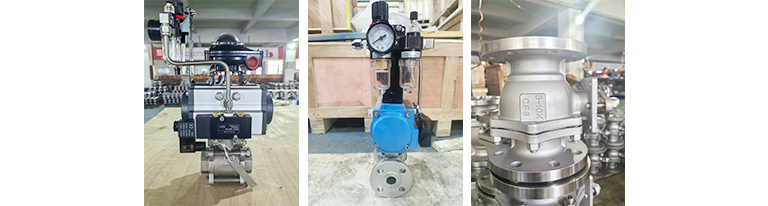
Key Features:
Inherent corrosion resistance throughout the entire valve — no coatings or linings required
Available in multiple alloys for different corrosive media
High-temperature capability up to 800°C (with CF8C/SS347)
Full bore for minimal pressure drop and pigging
Best For: Corrosive media handling where carbon steel would corrode — acids, alkalis, chlorides, seawater.
| Parameter | Detail |
| Design Standards | GB/T12237, API 6D |
| Diameter Range | DN15 – DN500 (½” – 20″) |
| Pressure Range | PN6, PN10, PN16, Class 150 |
| Materials | WCB/CF8/CF3M + F46 (FEP), PFA, or PO lining |
| Media | Highly corrosive media (acids, alkalis, solvents) |
| Applications | Chemical, petroleum, marine, corrosive environments |

Key Features:
Complete fluoropolymer lining isolates metal from corrosive media
F46/PFA resists almost all acids, alkalis, and solvents
Lower cost than exotic alloy valves (Hastelloy, Titanium, Monel)
Temperature range: -40°C to +180°C (PFA)
Bubble-tight shut-off for hazardous media
Best For: Highly corrosive chemical service where exotic alloys are cost-prohibitive — strong acids, alkalis, aggressive solvents.
| Parameter | Detail |
| Design Standards | GB/T12237-2007 |
| Diameter Range | DN20 – DN350 |
| Pressure Range | PN10 – PN64 |
| Materials | A105, E304, F316 + Alumina (Al₂O₃) or Zirconia (ZrO₂) lining |
| Media | Silica powder, coal powder, coal slurry, molten slurry, acid, hydrochloric acid, calcium carbonate |
| Applications | Mining slurry, coal chemical, new energy materials, high-intensity ash removal |
Key Features:
Superior abrasion resistance — ceramic hardness 9 on Mohs scale (sapphire-level)
Erosion resistance — withstands high-velocity abrasive media
Corrosion resistance — ceramic is inert to most acids
5–10 times longer service life than hardened steel in abrasive service
Low operating torque — polished ceramic surfaces reduce friction
Best For: Abrasive and erosive slurries, powders, and corrosive abrasive media where metal valves wear out rapidly.
| Parameter | Detail |
| Design Standards | ISO228 |
| Diameter Range | DN15 – DN50 |
| Pressure Range | 0 – 1.6 MPa |
| Material | Brass (Cu-Zn alloy) with chrome-plated ball, PTFE seats |
| Media | Water, oil, saturated steam |
| Applications | HVAC, plumbing, branch lines, compressed air |
Key Features:
Compact and lightweight — ideal for tight spaces
Threaded ends (BSP/NPT) — easy installation without welding
Bubble-tight shut-off — PTFE seats provide zero leakage
Low operating torque — easy to operate even after long inactivity
Full bore or reduced bore options
Best For: HVAC systems, plumbing, branch isolation, and small-diameter general service.

| Ball Valve Type | Diameter Range | Pressure Range | Key Materials | Best Applications |
| Forged Steel | ½” – 2″ | Class 150–2500 | A105, LF2, F304, F316 | High-pressure, sour service, small diameters |
| Fully Welded | ½” – 56″ | Class 150–2500 | A105, LF2, 304, 316, F51 | Buried pipelines, city gas, district heating |
| API | DN15–DN1400 | Class 150–2500 | WCB, CF8, CF8M, F304, F316 | Oil/gas pipelines, wellheads, refineries |
| Stainless Steel | 2″ – 40″ | Class 150–2500 | CF8, CF8M, CF8C, 4A, 5A | Corrosive media, chemicals, seawater |
| Fluorine-Lined | ½” – 20″ | PN6–PN16, Class 150 | WCB/CF8 + F46/PFA/PO | Strong acids, alkalis, aggressive solvents |
| Ceramic-Lined | DN20–DN350 | PN10–PN64 | A105/E304/F316 + Al₂O₃/ZrO₂ | Abrasive slurries, powders, coal chemical |
| Brass | DN15–DN50 | 0–1.6 MPa | Brass + PTFE seats | HVAC, plumbing, branch isolation |
| Media Type | Recommended Ball Valve | Key Material Consideration |
| Clean water, air, oil | Brass / Stainless Steel / API | Standard seats (PTFE) adequate |
| High-pressure gas/oil | Forged Steel / API | Forged body, NACE compliance for H₂S |
| Buried gas pipelines | Fully Welded | Welded body, leak-proof, maintenance-free |
| Corrosive acids/alkalis | Fluorine-Lined / Stainless Steel | F46/PFA lining or SS316 body |
| Abrasive slurries (mining) | Ceramic-Lined | Alumina or zirconia lining for wear resistance |
| High-temperature corrosive | Stainless Steel (CF8C/SS347) | High-temperature alloy, metal seats |
| HVAC branch lines | Brass | Compact, threaded, cost-effective |
| Seat Material | Temperature Range | Chemical Resistance | Best For |
| PTFE / RTFE | -200°C to +200°C | Excellent | General chemical, oil, gas, water |
| Nylon | -30°C to +120°C | Good | Higher temperature, wear resistance |
| PEEK | -50°C to +250°C | Excellent | High temperature, demanding chemical |
| Metal (Hardfaced) | -50°C to +600°C | Depends on metal | High temperature, abrasive, fire-safe |
| UHMWPE | -40°C to +80°C | Good (mining) | Abrasive slurries (ceramic-lined valves) |
| Configuration | Options | Typical Application |
| Bore Size | Full Bore (Full Port) / Reduced Bore (Regular Port) | Full bore for pigging and minimal pressure drop; reduced bore for lower cost |
| Ball Support | Floating Ball (small diameters) / Trunnion-Mounted (large diameters) | Floating for DN15–DN200; trunnion for DN200+ and high pressure |
| End Connections | Flanged, Butt-Weld, Socket-Weld, Threaded | Flanged for process; weld for permanent; threaded for small lines |
| Fire-Safe Design | Primary soft seats + secondary metal seats | Required in oil, gas, and petrochemical fire-safe applications |
| Actuation | Manual handle, gear, pneumatic, electric | Manual for local; actuated for remote/automated |
| Best Practice | Why It Matters |
| Thorough pipeline flushing before installation | Removes weld slag and debris that can damage seats and ball surfaces |
| Confirm flow direction (if marked) | Most ball valves are bidirectional, but some designs may have preferred direction |
| Ensure full port for slurry/pigging service | Prevents particle accumulation and allows pipeline pigs to pass |
| Use proper torque for flange bolts | Uneven torque causes gasket failure and body distortion |
| Do not over-tighten packing | Over-tight packing causes stem galling and high operating torque |
| Install upstream strainer for dirty service | Protects seats from debris damage |
| For actuated valves, verify torque limits | Prevents over-torque damage to stem, ball, and seats |
| Problem | Primary Causes | Solutions |
| Internal Leakage | Seat wear, debris obstruction, ball damage | Clean; lap or replace seats; replace ball |
| External Leakage | Packing failure, loose bolts, gasket deterioration | Retorque; replace packing/gasket; inspect stem |
| High Operating Torque | Debris intrusion, poor lubrication, seat jamming | Flush/lubricate via injection fitting; disassemble and clean |
| Stem Fracture | Over-torque, improper stroke limits, material defects | Replace stem; recalibrate actuator; investigate root cause |
| Industry | Recommended Ball Valve Type | Key Requirement |
| Oil & Gas Pipelines | API 6D / Fully Welded | API compliance, fire-safe, full bore |
| Wellhead & Upstream | Forged Steel / API | High pressure, sour service (NACE) |
| Refining & Petrochemical | API / Stainless Steel | High temperature, fire-safe, corrosion resistance |
| Chemical Processing | Fluorine-Lined / Stainless Steel | Corrosion resistance, bubble-tight shut-off |
| Mining & Mineral Processing | Ceramic-Lined | Abrasion resistance, erosion resistance |
| Coal Chemical | Ceramic-Lined / Fully Welded | Abrasive slurries, black water, H₂S/CO₂ |
| HVAC & Plumbing | Brass | Compact, threaded, cost-effective |
| Power Generation (Ash Removal) | Ceramic-Lined | High-intensity ash, fly ash, erosion resistance |
Ball valves are a diverse and essential family of industrial valves. The correct selection depends on a thorough understanding of your specific application—media type, temperature, pressure, flow requirements, and environmental conditions.
* Choose Forged Steel for high-pressure, sour service in small diameters.
* Choose Fully Welded for buried, leak-proof, maintenance-free pipeline service.
* Choose API for oil, gas, and petrochemical applications requiring industry standards.
* Choose Stainless Steel for corrosive media without linings.
* Choose Fluorine-Lined for highly corrosive chemicals where exotic alloys are too expensive.
* Choose Ceramic-Lined for abrasive slurries, powders, and erosive service.
* Choose Brass for HVAC, plumbing, and general branch isolation.
By matching the valve type, material, and design to your service conditions, you can ensure long service life, reliable operation, and minimal maintenance.
For expert assistance in selecting the right ball valve for your specific application—including material selection, custom specifications, and NACE compliance—contact WEIZIDOM’s technical team for a no-obligation consultation.