Discover the top 5 valves for slurry systems, including pinch valves, knife gate valves, and ball valves. Learn which valve is best for abrasive and solid-laden fluids and how to choose the right one.
Slurry systems are among the most challenging environments in industrial pipelines. These systems often contain abrasive particles, high solid content, and corrosive chemicals, which can quickly damage conventional valves.
* Long service life
* Minimal maintenance
* Reliable sealing performance
* Reduced downtime
In this guide, we introduce the top 5 valve types for slurry systems, comparing their performance, advantages, and ideal applications to help you select the best solution for your project.
Before selecting a valve, it is important to understand slurry characteristics:
* High solid content
* Abrasive particles
* Viscous fluid behavior
* Potential clogging risks
👉 This means not all valves are suitable for slurry systems.
Working Principle
A pinch valve operates by compressing a flexible rubber sleeve using external force (manual, pneumatic, or electric). When the sleeve is pinched, the flow is completely shut off. When released, the sleeve returns to its original shape, allowing full flow.

Key Structural Advantage
* Full bore design (no internal obstruction)
* Only the rubber sleeve contacts the medium
* No cavities where solids can accumulate
Suitable Working Conditions
* High solid content slurry
* Abrasive particles (sand, ore, ash)
* Viscous or sticky fluids
* Corrosive media
Advantages
✔ Zero clogging risk
✔ Excellent sealing even with solids
✔ Very low maintenance (replaceable sleeve)
✔ Long service life in harsh conditions
Limitations
* Not suitable for very high-pressure systems
* Sleeve needs periodic replacement
Typical Applications
* Mining slurry pipelines
* Tailings transport
* Wastewater sludge systems
* Chemical slurry transfer
👉 Selection Tip:
If your system contains high solids + abrasion, pinch valve is the safest and most cost-effective choice.
Working Principle
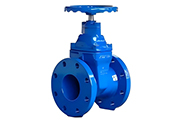
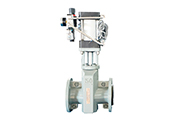
Knife gate valves use a sharp-edged metal gate that moves vertically to cut through slurry and solids.
Key Structural Advantage
* Straight-through flow path
* Cutting action for thick media
* Simple structure
Suitable Working Conditions
* Thick slurry with fibers or solids
* Medium pressure systems
* Sludge and semi-solid media

Advantages
✔ Good for high-density slurry
✔ Effective cutting through solids
✔ Cost-effective solution
Limitations
❌ Sealing performance decreases over time
❌ Not suitable for high-pressure applications
❌ Wear on gate and seat
Typical Applications
* Pulp and paper industry
* Mining slurry transport
* Wastewater sludge systems
👉 Selection Tip:
Choose knife gate valves when dealing with thick or fibrous slurry, but not for applications requiring tight sealing.
Working Principle
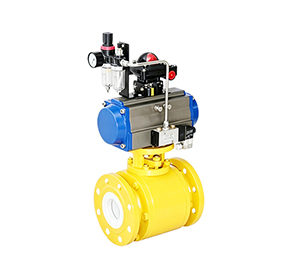
Ball valves use a rotating spherical ball with a bore to control flow. In slurry systems, full-port and specially coated balls are used.
Key Structural Advantage
* Full port design reduces restriction
* Strong sealing capability
* Suitable for high-pressure systems
Suitable Working Conditions
* Medium to high-pressure slurry
* Less abrasive or controlled slurry
* Oil & gas slurry systems
Advantages
✔ Excellent shut-off performance
✔ High pressure resistance
✔ Durable with proper materials (ceramic, hardened steel)
Limitations
❌ Wear and erosion with abrasive particles
❌ Higher cost
❌ Maintenance more complex
Typical Applications
* Oil & gas pipelines
* Chemical processing
* Industrial slurry systems with pressure requirements
👉 Selection Tip:
Use ball valves when pressure is high but solids content is relatively low.
Working Principle
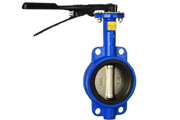
Butterfly valves use a rotating disc to control flow within the pipeline.
Key Structural Advantage
* Compact and lightweight design
* Quick operation
* Easy installation
Suitable Working Conditions
* Low solid content slurry
* Water or slightly contaminated fluids
* Large diameter pipelines
Advantages
✔ Cost-effective
✔ Easy to install and operate
✔ Suitable for large pipelines
Limitations
❌ Disc is exposed to flow
❌ Not suitable for heavy slurry
❌ Risk of clogging in solid media

Typical Applications
* Water treatment plants
* Irrigation systems
* Light slurry pipelines
👉 Selection Tip:
Choose butterfly valves for clean or low-solid systems, not for abrasive slurry.
Working Principle
A diaphragm valve uses a flexible diaphragm that presses against a seat to stop flow, isolating the fluid from the valve body.
Key Structural Advantage
* Media is isolated from valve body
* Smooth flow path
* Good chemical resistance
Suitable Working Conditions
* Corrosive slurry
* Chemical processing systems
* Low to medium pressure
Advantages
✔ Excellent corrosion resistance
✔ Clean and hygienic design
✔ Good sealing performance
Limitations
❌ Limited pressure range
❌ Not suitable for heavy abrasive slurry
❌ Diaphragm wear over time
Typical Applications
* Chemical industry
* Pharmaceutical systems
* Acid and alkali pipelines
👉 Selection Tip:
Use diaphragm valves when dealing with corrosive but low-abrasion media.

| Valve Type | Slurry Handling | Sealing | Maintenance | Best Use |
| Pinch Valve | Excellent | Excellent | Low | Heavy slurry |
| Knife Gate Valve | Good | Medium | Medium | Thick slurry |
| Ball Valve | Medium | Excellent | Medium | High pressure |
| Butterfly Valve | Limited | Good | Low | Light slurry |
| Diaphragm Valve | Medium | Good | Medium | Corrosive fluids |
High solids → Pinch Valve
Medium solids → Knife Gate Valve
Highly abrasive → Pinch Valve
High pressure → Ball Valve
Low pressure → Pinch Valve
Low maintenance → Pinch Valve
Low cost → Butterfly Valve
Long-term cost savings → Pinch Valve
Pinch valves stand out because they:
Prevent clogging
Handle solids easily
Require minimal maintenance
Offer long service life
👉 This is why they are widely used in mining and wastewater industries.
Avoid these mistakes:
❌ Using butterfly valves for heavy slurry
❌ Ignoring abrasion resistance
❌ Choosing low-cost valves over durability
❌ Not considering maintenance cost
Pinch valves are generally the best choice due to their full bore design and ability to handle solids.
They can be used for light slurry but are not recommended for heavy or abrasive materials.
Pinch valves and knife gate valves are commonly used.
Pinch valves typically require the least maintenance.
Only specially designed ball valves can handle slurry effectively.
Due to abrasion, clogging, and improper valve selection.
WEIZIDOM provides:
* High-performance pinch valves
* Durable industrial valves
* Customized solutions for slurry applications
📩 Contact us today to get:
✔ Competitive pricing
✔ Fast delivery
✔ Technical support
slurry valve, valves for slurry system, best valve for slurry, Secondary Keywords, pinch valve for slurry, knife gate valve, industrial slurry valve, Long Tail Keywords, top valves for slurry system, best valve for mining slurry, slurry pipeline valve selection