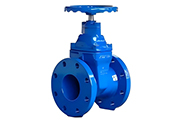
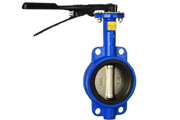
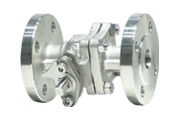
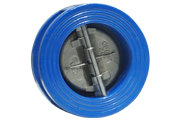
Butterfly valves are widely used in water treatment, HVAC, power plants, chemical and mining industries. Their compact size, rapid operation, and cost-effectiveness make them a popular choice for large-diameter pipelines.
However, not all butterfly valves are equal: different designs suit different pressure, temperature and media conditions. Choosing the wrong type can lead to premature wear, leakage or costly downtime. This guide explains each butterfly valve type and its recommended operating conditions, helping engineers and buyers choose the optimal valve for each application.
A butterfly valve uses a circular disc (the “butterfly”) that rotates about an axis to start, stop or regulate flow. Advantages include simple structure, lightweight, small installation footprint, and low driving torque. Typical connection types: wafer, lug (lugged), flange, and butt-weld.
Manual (handwheel / lever / gearbox) — for small sizes or infrequent operation.
Pneumatic actuator — fast response for process automation.
Electric actuator — precise remote control and integration with DCS.
Hydraulic actuator — high torque applications and harsh environments.

WEIZIDOM Double eccentric butterfly valve
Characteristics: Centered stem and disc; resilient (rubber) seat.
Suitable conditions:
Pressure: typically PN10–PN16 (low to medium pressure).
Temperature: approx −10°C to +120°C (material dependent, e.g., EPDM, NBR).
👉 Media: clean water, municipal wastewater, lightly corrosive liquids.
Pros: Excellent sealing in low pressure systems, low cost.
Cons: Not suitable for high temperature, abrasive or highly corrosive media.
Typical applications: Water distribution, sewage, HVAC.
Selection tip: Use EPDM for potable water and high temperature to its limit; NBR for oil resistance; ensure media compatibility.
Characteristics: Slight offset stem reduces seal friction, extending seat life.
Suitable conditions:
Pressure: PN16–PN25 typical.
Temperature: −20°C to +200°C (depends on seat material).
👉 Media: water, low pressure steam, moderate corrosives.
Pros: Reduced wear compared to concentric, improved sealing longevity.
Cons: Limited for extreme high temp/pressure.
Typical applications: Industrial water lines, general process piping.
Selection tip: Consider single-eccentric where moderate temperature and improved durability are needed.
Characteristics: Two offsets cause the disc to cam out of the seat quickly, minimizing friction and wear. Often available with metal or resilient seats.
Suitable conditions:
Pressure: PN10–PN40 and higher with reinforced design.
Temperature: −40°C to +350°C (soft seat limits apply; metal seats for high temp).
👉 Media: water, steam (low-medium temp), chemical solutions, slurries (with proper seat).
Pros: Low operating torque, long seat life, good for frequent operation.
Cons: Soft seats limit high-temperature use; metal seats increase cost.
Typical applications: Water treatment, power plant feedwater, chemical process.
Selection tip: For abrasive or higher temperature applications, select double-eccentric with metal seat or PTFE lining.
Characteristics: Third offset creates a true metal-to-metal sealing plane with no rubbing during operation; designed for tight shutoff and extreme conditions.
Suitable conditions:
Pressure: high pressure ratings available (dependent on design).
Temperature: up to 500°C+ depending on alloy.
👉 Media: high temperature steam, hydrocarbons, corrosive chemical services requiring tight shutoff.
Pros: High temp & pressure tolerant, near zero leakage, long life in harsh conditions.
Cons: Higher initial cost, precision manufacturing required.
Typical applications: Petrochemical plants, power generation, oil & gas, critical shutoff points.
Selection tip: Choose high-alloy material (Duplex, Inconel) for corrosive/high-temp service and specify seat surfacing if erosive media present.

WEIZIDOM Pneumatic wafer butterfly valve
👉 Resilient (rubber/PTFE) seats: lower cost, good initial sealing, limited temp/chemical resistance.
👉 Metal seats: for high temp/pressure and abrasive media; better longevity and zero leak capability in many applications.
Gather: DN, PN, medium, max/min temp, flow range, required leakage class, frequency of operation, actuator requirements, industry standards (API, ISO, EN). For automated systems, specify actuator torque, fail-safe requirements and feedback signals.
🔹 Clean pipeline before installation; remove welding slag.
🔹 Use strainers upstream for dirty media.
🔹 Ensure proper flange alignment; tighten bolts in cross pattern.
🔹 For soft seats, avoid prolonged high temp exposure.
🔹 Periodic inspection: seat condition, stem packing, actuator mounting.
Yes, but for precision control choose appropriate seat design and actuator; for precise flow control, control valves may be preferred.
Yes, with appropriate seat materials and protective coatings; check erosion resistance.
Concentric butterfly valves have a centered disc and stem, mainly for low pressure and clean media.
Double-eccentric valves feature two offsets to reduce friction, suitable for medium-pressure and frequent operation.
Triple-eccentric valves use a metal-to-metal seal and withstand high temperature and high pressure, ideal for steam and oil applications.
Yes, butterfly valves can be used for throttling when properly selected.
For example, double-eccentric and triple-eccentric designs offer better control and less seat wear than concentric types.
However, for precise control, a dedicated control valve may still be more suitable.
Typical seat materials include EPDM, NBR, and PTFE for soft-seated valves, and Stainless Steel, Duplex, or Inconel for metal-seated designs.
Disc materials vary from ductile iron and carbon steel to 316 stainless steel or bronze, depending on the medium’s corrosiveness and temperature.
Choose a resilient seated valve for water, HVAC, and general utility services (low to medium temperature).
Select a metal seated valve when operating under high pressure, high temperature, or corrosive media, such as steam, oil, or chemical lines.
Metal seats also provide tighter shutoff and longer service life in severe applications.
Yes — but only the double-eccentric or triple-eccentric types are recommended for such applications.
Triple-eccentric metal seated valves can handle temperatures up to 500°C or higher, with pressure ratings up to PN63 or more.
Concentric types are not suitable for high temperature/pressure systems.

WEIZIDOM Electric wafer butterfly valve
Common issues include seat leakage, disc jamming, corrosion, or excessive torque during operation.
To prevent these:
🔹 Clean pipelines before installation.
🔹 Choose the correct seat material for the medium.
🔹 Avoid over-torquing bolts.
🔹 Perform regular inspections of seals and packing.
🔹 Ensure the pipeline flanges are properly aligned before installation.
🔹 Install gaskets as required (especially for flanged connections).
🔹 Tighten bolts gradually in a crisscross pattern to distribute pressure evenly.
🔹 Make sure the disc is slightly open during installation to prevent seat damage.
Butterfly valves are widely used in:
🔹 Water treatment and distribution systems
🔹 HVAC and fire protection networks
🔹 Power generation and boiler systems
🔹 Oil, gas, and petrochemical plants
🔹 Food, paper, and mining industries
Their versatility and cost-effectiveness make them suitable for almost any fluid-handling process.
Selecting the correct butterfly valve type for your process conditions is essential for safety, performance and lifecycle cost. WEIZIDOM offers a full range of butterfly valves (resilient seated, single/double/triple eccentric, lined designs) and provides engineering support for selection and sizing.
📩 Request a project quote or technical support: eileen@wsdsolution.com
🌐 Explore product catalogs and datasheets: www.wsdvalves.com