Hydropower plants operate under some of the toughest and most demanding conditions of any industrial system. Water pipelines often face extremely high pressure, fast flow velocity, vibration, cavitation, and frequent opening/closing cycles. To ensure reliability and safety, the choice of valves becomes critical.
Among the many types of valves used in hydropower systems, the double eccentric butterfly valve (also known as the double offset butterfly valve) has become the standard configuration for large hydroelectric projects worldwide. From inlet pipelines and penstocks to turbine control systems, double eccentric butterfly valves play an essential role in flow isolation, regulation, and emergency shutdown.
This article explains why double eccentric butterfly valves are widely used in hydropower projects, how they work, where they are installed, and why WEIZIDOM has become a trusted supplier for global energy and water infrastructure projects.
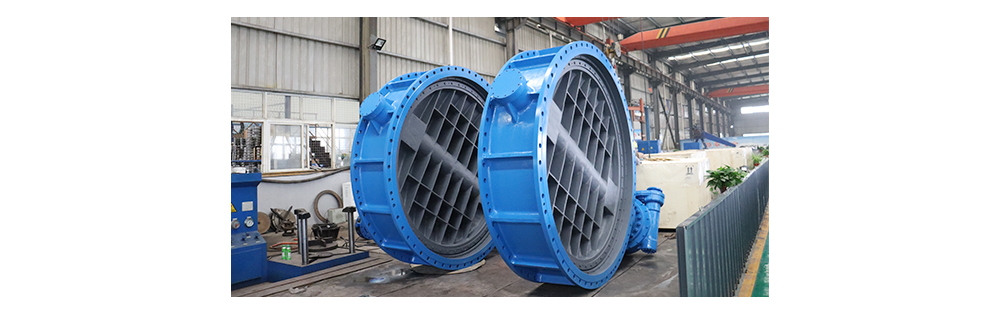
A double eccentric butterfly valve is a type of industrial valve designed with two offsets between the valve stem and sealing surface. This unique structure reduces friction, improves sealing performance, and extends service life—making it ideal for large-diameter, high-pressure applications.
Offset 1: The shaft is behind the sealing surface.
Offset 2: The shaft is off-center from the pipeline.
Because of these offsets, the disc moves away from the seat immediately when it starts opening. This minimizes wear during operation.
Body: carbon steel, cast steel, ductile iron
Disc: stainless steel or coated steel
Seat: stainless steel + rubber / metal-to-metal sealing
Sizes: DN800 — DN3500 or even larger
Hydropower projects typically require very large valves, sometimes exceeding DN2400 (96 inches), and double eccentric butterfly valves perform exceptionally well in these diameters.
Below are the key reasons hydropower EPC contractors and engineering teams choose double eccentric butterfly valves.
Hydropower penstocks typically operate under:
* High static pressure
* Dynamic pressure changes
* Water hammer impact
Double eccentric butterfly valves are engineered to handle these forces without excessive deformation or leakage.
* Strong mechanical body structure
* Metal-to-metal sealing available for ultra-high pressure
* Reliable performance under sudden pressure rise
This makes them ideal for turbine inlet isolation, the most critical valve position in a hydropower system.
Because the disc immediately lifts away from the sealing ring when opened, friction is significantly reduced.
* Longer sealing life
* Lower maintenance cost
* More reliable operation over long periods
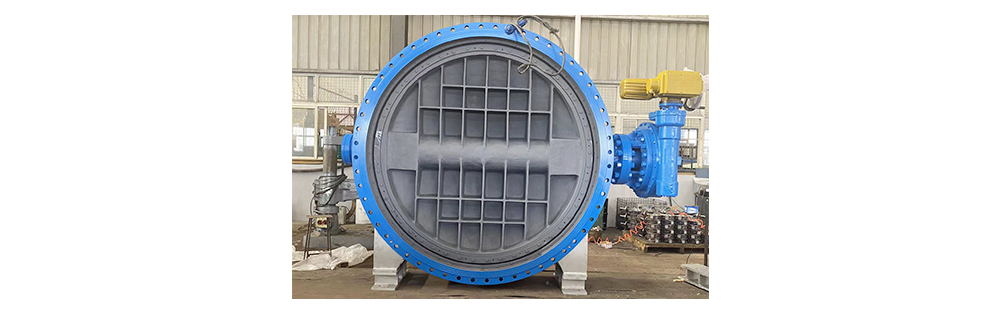
Most hydropower pipelines are huge, requiring very large valves.
Double eccentric butterfly valves can be manufactured up to DN4000, whereas other valve types (such as gate valves) become:
* Too heavy
* Too expensive
* Difficult to install
This makes double eccentric butterfly valves the most economical and practical choice for large hydropower systems.
Hydropower turbines must be protected from:
* Sudden reverse flow
* Abnormal pressure
* Pipeline rupture risks
A double eccentric butterfly valve provides:
* Fast shutoff speed
* Stable closing motion
* Low torque requirement
This allows power stations to respond quickly to emergencies.
Sealing quality directly affects system efficiency.
Double eccentric butterfly valves provide reliable sealing even under fluctuating pressure and high flow velocity.
They can be configured with:
Elastic sealing for bidirectional sealing
Metal sealing for high temperature and pressure conditions
Maintaining efficient operation is crucial for hydropower plants, which rely on stable water flow to maximize electricity output.
Compared with gate valves or spherical valves, double eccentric butterfly valves:
* Require less torque
* Are easier to automate with electric or hydraulic actuators
* Reduce bearing and gearbox wear
This makes them more suitable for automation in modern hydropower plants, where remote control and monitoring are essential.

* Turbine inlet valves
* Penstock shutoff valves
* Bypass and pressure-reducing systems
* Pump station pipelines
* Reservoir water intake pipelines
* Emergency closure systems
* Outlet and discharge regulation
Their reliability ensures safe operation and energy efficiency throughout the hydropower facility.
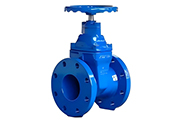
| Valve Type | Weakness in Hydropower |
| Gate Valve | Too large, too heavy, slow closing |
| Ball Valve | Good sealing but extremely costly for DN2000+ |
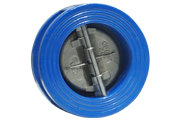
| Check Valve | Only one-way, cannot regulate flow |
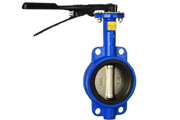
| Butterfly Valve (central) | Seat wear is high, unsuitable for high pressure |
Only the double eccentric butterfly valve balances:
* Cost
* Safety
* Durability
* Diameter size
* Pressure rating
This is why it has become the preferred choice for hydropower EPC projects globally.
* DN2400 double eccentric butterfly valves
* Ball valves
* Air valves
* Cast steel fittings
for the KHOBI II Hydropower Project in Georgia, the largest hydro project built independently by Georgia after the Soviet Union.
Our valves now support power generation for 50,000 households, demonstrating WEIZIDOM’s strength in large-diameter valve engineering.

WEIZIDOM provides complete selection guidance and engineering support.
Hydropower plants demand valves that can endure extreme pressures, large diameters, and continuous operation. Double eccentric butterfly valves offer:
✔ High durability
✔ Excellent sealing
✔ Low operating torque
✔ Fast emergency closure
✔ Suitability for huge DN2000-DN3500 pipelines
✔ Lower maintenance costs
✔ Long service life
These advantages make them the optimal choice for modern hydropower engineering.
WEIZIDOM specializes in:
* Double eccentric butterfly valves
* Large-diameter valves
* Hydropower pipeline valves
* Custom engineered solutions
📧 Email: eileen@wsdsolution.com
🌐 Website: www.wsdvalves.com
👉 Contact us for drawings, technical support, and quotations.