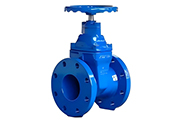
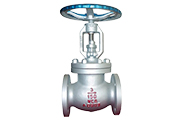
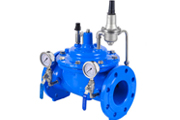
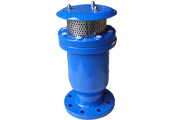
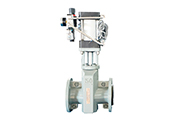
However, many users face a common issue: the gate valve cannot rise or open fully, which restricts or blocks the flow.
This guide will explain:
👉 Common causes of gate valve failures
👉 How to troubleshoot and fix the issue
👉 Preventive maintenance tips
👉 Why choosing a reliable gate valve manufacturer matters

✔ Designed for on/off control, not for throttling
✔ Provides minimal flow resistance when fully open
✔ Best suited for large-diameter pipelines
✔ Operates slowly (multi-turn handwheel)
✔ Materials: ductile iron, carbon steel, stainless steel, bronze
✔ Rising stem gate valve (stem visible)
✔ Non-rising stem gate valve (stem hidden)
✔ Soft-seated gate valve (rubber-coated disc)
✔ Metal-seated gate valve (metal-to-metal sealing)
Cause: Worn threads, lack of lubrication, or foreign particles.
Solution: Clean, lubricate, or replace the stem.
Cause: Overtightened packing prevents smooth stem movement.
Solution: Loosen packing slightly for better operation.
Cause: Corrosion, scaling, or forced closing.
Solution: Inspect and replace if necessary.
Cause: Sand, rust, or solid particles lodged between the disc and seat.
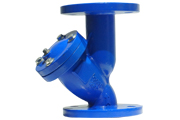
Solution: Clean the valve chamber; install a strainer.
Cause: Installed at an angle, causing uneven stress.
Solution: Install vertically for smooth operation.
Cause: Corrosion and sticking due to lack of use.
Solution: Operate periodically to prevent seizing.
✔Check the handwheel for smooth rotation.
✔Inspect the stem, packing, and disc step by step.
✔Apply lubrication to the stem threads.
✔Replace worn or damaged components promptly.
✔Install filters or strainers to reduce debris buildup.

✔ Municipal water system – A city water network experienced seized gate valves due to rust. Replacing with stainless steel stem valves and adopting a quarterly inspection schedule solved the issue.
✔ Chemical plant pipeline – Sediment blocked the disc, causing shutdown. Installing metal-seated gate valves and strainers improved reliability.
✅ Choose high-quality materials (stainless steel, ductile iron)
✅ Operate valves periodically
✅ Lubricate stems and inspect packing regularly
✅ Use strainers in contaminated pipelines
✅ Always install vertically
Q1: Can I force open a stuck gate valve?
👉 No. Forcing may damage the stem or disc.
Q2: Which is more prone to jamming: rising or non-rising stem valves?
👉 Rising stem valves are more exposed to corrosion, but easier to maintain.
Q3: How often should gate valves be maintained?
👉 Every 6–12 months, depending on conditions.
Q4: How to avoid debris-related failures?
👉 Install strainers and flush pipelines regularly.
Q5: If a gate valve is seized, do I need to replace it?
👉 Minor jamming can be fixed by lubrication and cleaning. Severe damage requires replacement.

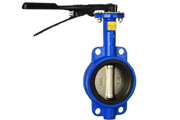
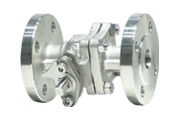
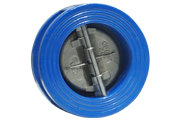
At WEIZIDOM, we specialize in manufacturing gate valves, ball valves, butterfly valves, check valves, and fittings.
✔ Exported to 108+ countries
✔ Over 3000+ successful projects
✔ 5+ production bases in China
✔ OEM customization available
✔ Direct factory pricing
Gate valve failures often result from stem jamming, overtight packing, disc deformation, debris, or poor installation.
With proper selection, installation, and preventive maintenance, these issues can be avoided.
By choosing WEIZIDOM, you get high-quality valves, global project experience, and reliable technical support.
📧 Email: eileen@wsdsolution.com
🌐 Website: www.wsdsolution.com