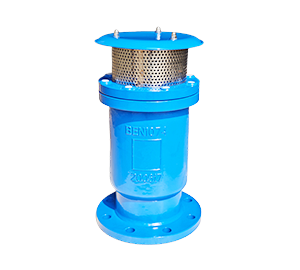
When a check valve fails, it can cause serious issues in a pipeline system.
Backflow of fluid → contaminates clean systems (e.g., drinking water supply).
Pressure surges (water hammer) → damages pumps, pipes, and fittings.
Energy loss → pumps work harder, reducing efficiency.
Equipment damage → compressors, turbines, and pumps may suffer costly breakdowns.
Safety risks → in chemical or oil & gas pipelines, backflow can cause hazardous leaks.
Example: In a water treatment plant, a failed check valve can allow dirty water to flow back into the clean water supply, creating contamination risks.
Continuous operation causes disc, seat, and hinge wear.
Materials corrode when exposed to aggressive fluids.
Wrong orientation (especially in vertical lines).
Inadequate spacing from pumps or elbows.
Sudden closure of the valve generates shock waves.
Damages both valve and pipeline.
Using cast iron in corrosive environments.
Not choosing stainless steel or PVC when required.

A failing check valve often shows clear signs. Look for:
Unusual noises → rattling, chattering, or hammering sounds.
Reverse flow → fluid moving in the wrong direction.
Pressure fluctuations → sudden drops or spikes in pressure.
System inefficiency → pumps running longer or overheating.
Visible leaks → around valve seat or body.
If you observe these signs, your check valve may not be working correctly.
Look for corrosion, cracks, or leaks.
Check valve disc movement (in rising stem designs).
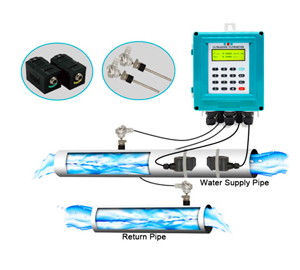
Install flow meters to detect backflow.
Compare expected vs. actual flow rates.
Use gauges to measure pressure difference across the valve.
A large drop may indicate partial blockage or failure.
Advanced systems use ultrasonic sensors to detect abnormal vibrations.
Inspect valves every 6–12 months depending on usage.
Clean debris and check alignment.
Follow manufacturer guidelines.
Maintain proper distance from pumps to avoid turbulence.
Choose stainless steel for corrosive chemicals.
PVC/PP for lightweight, non-metallic needs.
Replace check valves before end-of-life.
Use predictive maintenance data to avoid unexpected failures.

On average, 5–7 years in normal water applications, but depends on flow conditions.
Yes, but only certain designs (e.g., spring-loaded check valves). Always follow manufacturer instructions.
A check valve prevents reverse flow, while a relief valve protects against overpressure.
Install dampeners, use spring-assisted designs, or ensure correct sizing.
Swing check valves or ball check valves are commonly used for wastewater systems.
A failed check valve can cause system inefficiency, costly equipment damage, and safety risks. By recognizing the signs of failure (unusual noise, backflow, leaks) and performing regular inspections and testing, engineers can ensure that their check valves operate reliably.
For critical projects, selecting the right type of check valve, proper materials, and professional installation is the key to avoiding failures.
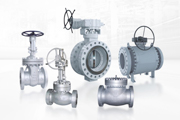
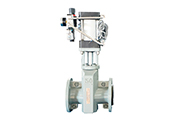
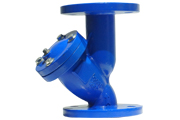
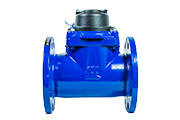
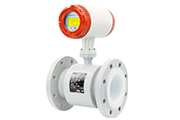
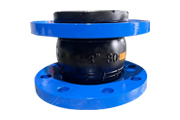
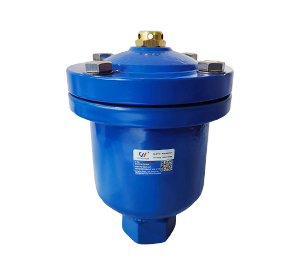
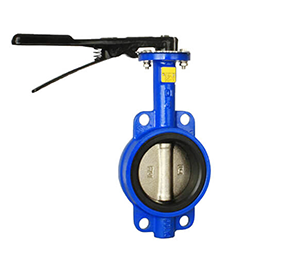
At WEIZIDOM, we manufacture a complete range of flow control products, including check valves, gate valves, butterfly valves, ball valves, globe valves, pipe fittings, water meters, and flow meters. With a factory in China and global experience, we provide customized solutions for water systems, industrial pipelines, and energy projects.
Contact WEIZIDOM today for technical support, project consultation, or quotations.