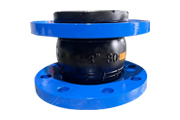
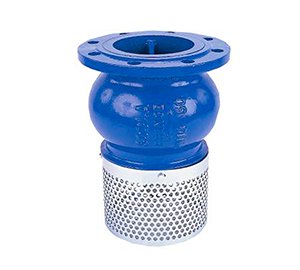
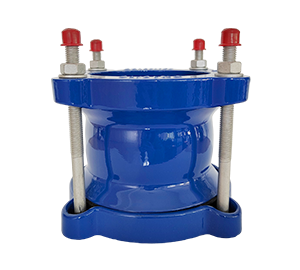
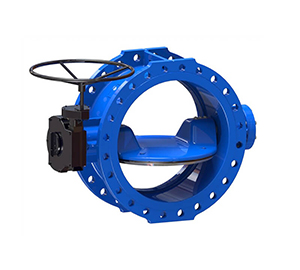
In modern piping systems, reliability and durability are critical. Pipelines in water treatment, power plants, HVAC systems, and industrial facilities are often exposed to thermal expansion, vibrations, and pressure fluctuations.
Without proper solutions, these conditions can lead to serious damage, leaks, or even system failure.
This is where the bellows expansion joint comes into play. Also known as a metal expansion joint or corrugated expansion joint, it is a flexible connector designed to absorb movement, reduce stress, and extend the service life of pipelines.
A bellows expansion joint is a flexible device installed in piping systems to compensate for movements caused by thermal expansion, mechanical vibration, and misalignment.
* Constructed with metal bellows (stainless steel or alloy).
* Corrugated design allows compression, expansion, or bending.
* Connections: flanged, welded, or threaded.

In piping systems, temperature changes and internal pressure cause pipes to expand and contract. Without an expansion joint, this movement creates stress on the pipeline, leading to:
* Pipe deformation or breakage
* Leakages at welded or flanged joints
* Damage to pumps, valves, and connected equipment
* Compensating thermal expansion (steam, hot water, chemical pipes).
* Absorbing vibration from pumps, compressors, or turbines.
* Reducing noise transmission in HVAC and industrial systems.
* Protecting equipment & extending service life.
✅ Flexibility – movement in multiple directions (axial, lateral, angular).
✅ Safety – prevents stress and failures in piping systems.
✅ Durability – withstands high pressure, high temperature, corrosion.
✅ Space-saving – smaller installation footprint than pipe loops.
✅ Cost-effective – reduces downtime and maintenance costs.

* High flexibility for different pipe movements
* Corrosion resistance with stainless steel materials
* Wide temperature range (cryogenic to high steam)
* Pressure resistance for industrial pipelines
* Noise & vibration isolation
* Compact design for tight spaces
* Water treatment plants – clean water, wastewater, chemical pipelines
* Power plants – steam & condensate piping networks
* HVAC systems – chilled water, hot water distribution
* Oil & Gas industry – refinery, crude oil, and natural gas systems
* Chemical & petrochemical plants – resistant to aggressive fluids
* Marine & shipbuilding – exhaust systems and cooling pipelines
The bellows expansion joint is an indispensable component in modern piping systems. It protects pipelines from thermal expansion, vibration, and pressure fluctuations, ensuring long-term reliability.
* Metal expansion joints
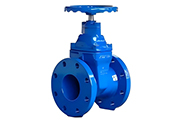
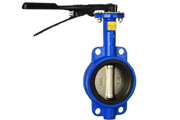
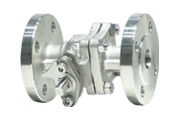
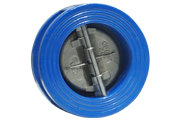
* Gate valves, butterfly valves, ball valves, check valves, globe valves
* Pipe fittings, water meters, and flow meters
Factory in China, serving global projects with cost-effective solutions.

Answer:
A bellows expansion joint is usually made of stainless steel, designed for high temperature, high pressure, and corrosive environments.
A rubber expansion joint is flexible, lightweight, and more cost-effective, but it is suitable for low pressure and lower temperature applications.
If your pipeline involves steam, hot water, chemicals, or high-pressure systems, choose a metal bellows expansion joint. If it is low-pressure water supply or HVAC, a rubber expansion joint may be enough.
Answer:
The correct size depends on:
* Pipe diameter
* Operating pressure and temperature
* Expected movement (axial, lateral, angular)
* Installation space
Solution:
Always provide your pipeline design data (temperature, pressure, displacement) to the manufacturer. At WEIZIDOM, our engineers calculate and recommend the proper expansion joint model and design to ensure safe operation.
Answer:
Yes, high-quality stainless steel bellows can withstand temperatures above 400°C and pressures up to several MPa, depending on design.
Solution:
For steam pipelines, power plants, and chemical industries, use multi-ply stainless steel bellows with reinforced design to handle extreme conditions safely.
Answer:
The most common materials are:
* Stainless steel 304 / 316 – general industrial use, good corrosion resistance.
* Inconel, Hastelloy, Monel – for highly corrosive or high-temperature environments.
* Carbon steel – for standard low-cost applications.
Solution:
Select material based on medium type (water, steam, chemicals, gas) and temperature range. WEIZIDOM provides custom material options to meet project requirements.
Answer:
Service life depends on operating conditions, installation quality, and maintenance. Normally, a well-designed metal expansion joint can last 10–20 years in stable operating conditions.
Solution:
* To extend service life:
* Avoid overloading the expansion joint.
* Install properly with alignment.
* Conduct regular inspection for cracks or corrosion.
Answer:
Incorrect installation is one of the main reasons for premature failure.
Solution:
* Ensure correct alignment of the pipeline.
* Do not use the expansion joint to compensate for misalignment.
* Install guides and anchors to control movement.
* Remove shipping bars only after installation.
* Follow the manufacturer’s installation manual.
WEIZIDOM provides detailed installation guidance and after-sales support to ensure safe operation in your project.